























Your baby: deeply peaceful. You: half-sunken into the couch, scrolling with one thumb and pretending you don't need the bathroom.
If that's you… hi, you're in very familiar company.
Contact naps (your baby sleeping on you or in a carrier while you're awake) are common in the first months and can be incredibly soothing. Here's what matters most: how to keep them safe, when they're great to continue, and how to change tack kindly if they start to clash with your body, your rest, or overnight sleep.
Why Contact Naps Feel So Right (Especially 0–3 Months)
- It's biology — warmth, scent, heartbeat, movement. These cue safety, helping babies regulate and settle.
- It builds connection — closeness can support calmer days and, for many families, a more settled season overall.
- It's okay to keep them — if they're working for you (and not tanking nights), you don't have to change a thing.
When Keeping Contact Naps Is Totally Fine
- Newborn season (0–3 months): frequent naps + big need for contact = very normal
- Unwell or teething days: extra closeness helps them cope
- Lifestyle fit: on leave, no daycare transition yet, and nights are fine? Keep what's working. There's no set expiry date.
Little Luxuries During Contact Naps (For You)
Make the most of this short phase and enjoy your moments of solitude.
Low-effort rest
- Pop in a podcast or audiobook you've been "saving for later"
- Practice mindfulness: slow breaths + unclench your jaw + sip your drink of choice
- Gentle seated stretches and pelvic floor breaths
Tiny treats for your brain
- Binge read a new book — one chapter totally counts
- One-handed journalling in Notes: "3 things that felt good today"
- TikTok scrolling / online shopping
Connection (without leaving the couch)
- DM a friend with a thoughtful note: "Thinking of you; zero need to reply"
- Come say hi — we'd love to see your contact-nap set-ups and book stacks in the Riff Raff Ramblers Facebook Group Community. Swap recs, share the wins, and meet parents in the same season.
Creative micro-joys
- Pinterest a room corner or birthday theme
- Build an epic playlist for future pram walks
When You Might Choose to Avoid or Reduce Contact Naps
- Your body says "nope" — back, pelvic floor, or a birth injury needs a break
- Sensory overload — constant touch feels overwhelming (completely valid)
- Multiple a day — holding for every nap often isn't practical
- Nights are unravelling — for some babies (especially from ~3 months), lots of contact naps can become the preferred sleep place. Cues: short cot naps, resistance at resettles, and frequent night wakes ("I'd rather be on you, thanks")
- You just don't enjoy them — your needs matter. A cot is a perfectly reasonable, loving sleep place.
- 💡 Quick reality check: some babies won't simply "outgrow" contact naps on their own. If you want change, they'll usually need your gentle support to learn a new way.
If Nights Are Rough, Try This First
- Press pause on holding for most day naps for a week
- Use the cot, or pram/car naps as stepping stones (still motion/contained, but not on you)
- Be consistent day-to-day — mixed approaches can keep them guessing at 2am
Gentle Transition Ideas
Start where it feels kindest, for both of you — choose one small step.
- One nap off-body — keep the rest as contact naps
- Drowsy-but-awake — cuddle/rock to drowsy, then transfer; reassure with a hand on chest, shushing, or rhythmic pats
- Stay close, fade support — sit beside the cot; over days, reduce hands-on help or move your chair back
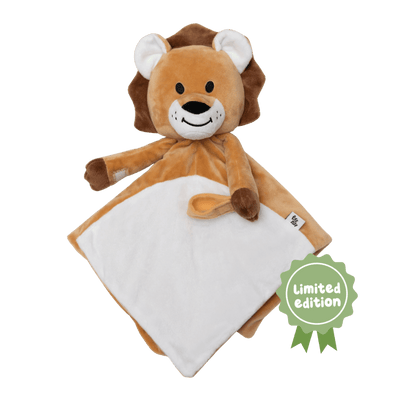
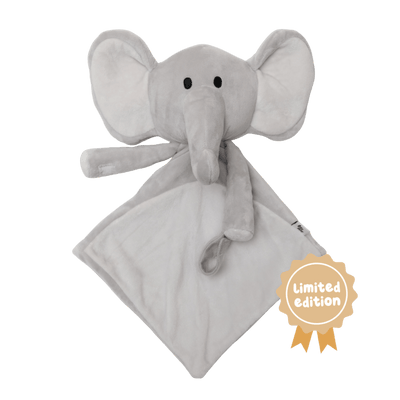
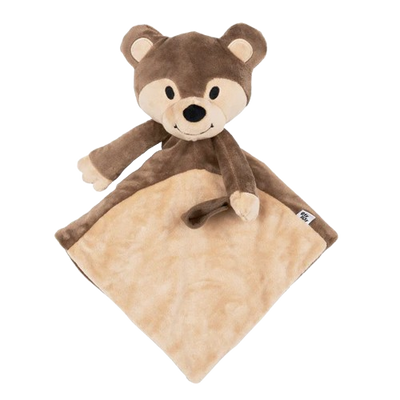
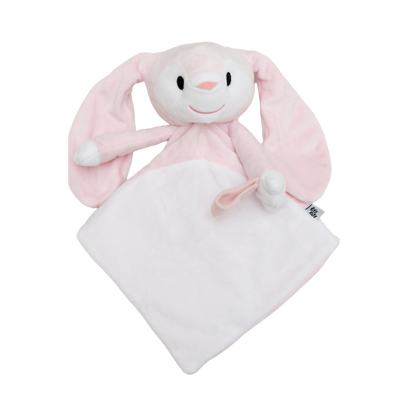
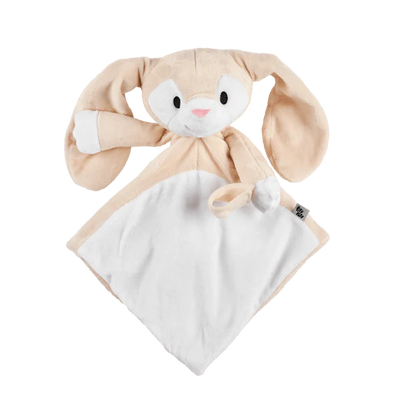
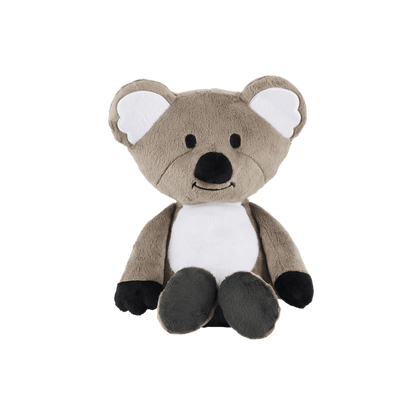
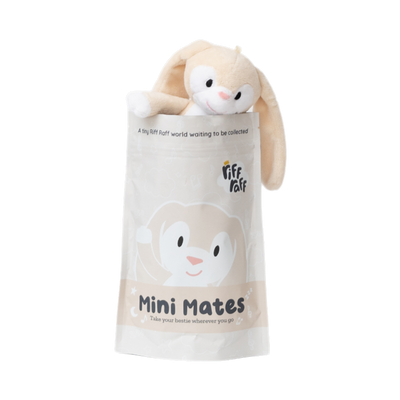
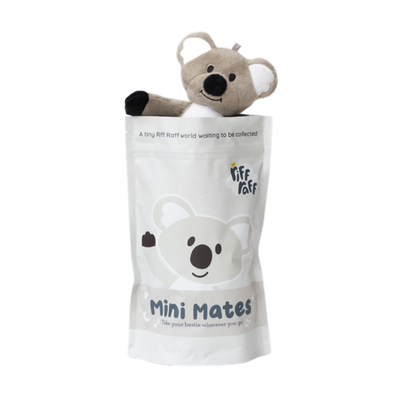
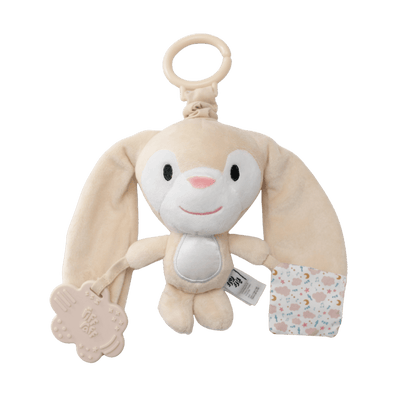
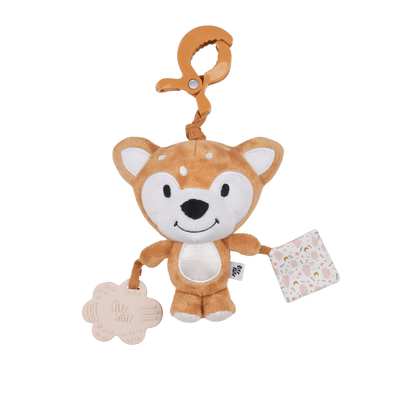
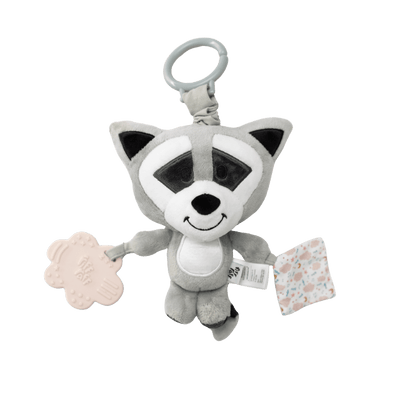
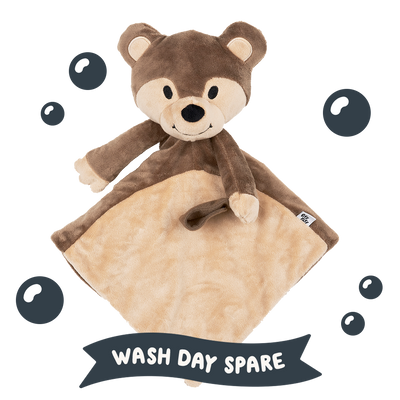
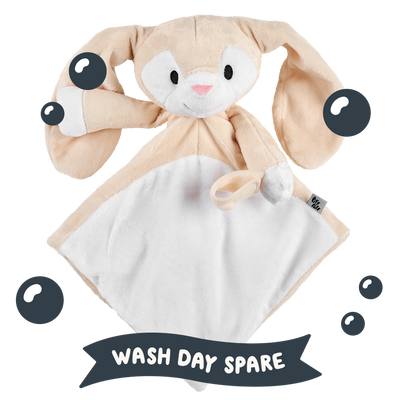
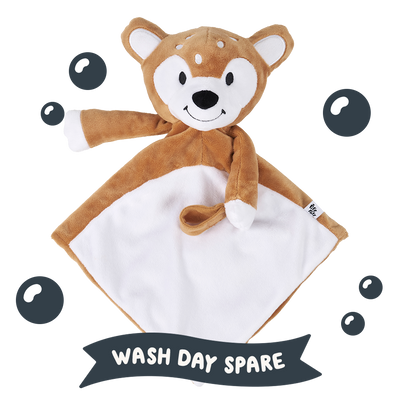
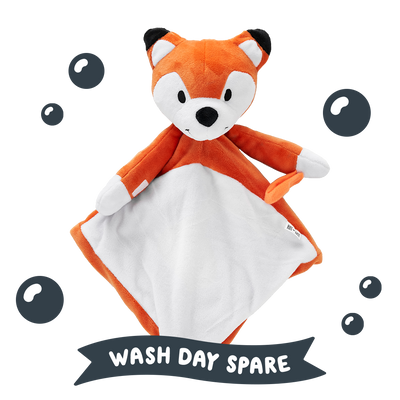
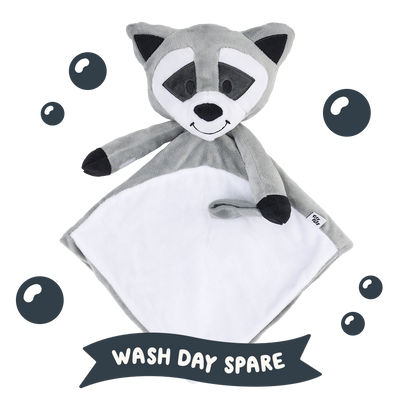
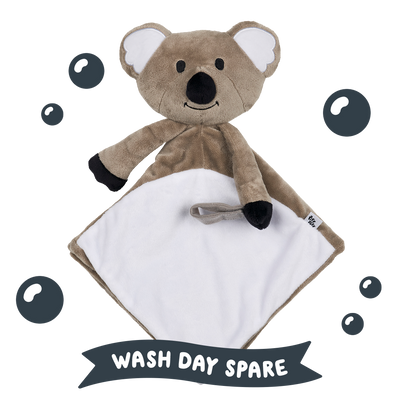
- Bring familiar comfort — introduce a Riff Raff Sleep Toy. The gentle heartbeat or white-noise sound, paired with your baby's familiar scent on the fabric, helps bridge the gap between "on you" and "near you." A reassuring cue that says: you're safe, even when I'm not holding you.
- Expect feelings (and stay calm) — if you're shifting after many months of contact naps, some protest is normal. Your job: steady, kind, predictable support.
- ⏱️ Tip: Give any new rhythm a full week before judging it. Circadian patterns settle across days, not hours.
Safety Notes We Care About
- If you're getting sleepy while holding your baby, pop them into a safe sleep space and rest
- Keep daytime contact naps upright and supervised; carriers should be used per manufacturer guidelines with clear airways
- Riff Raff Sleep Toys are designed for safe use from birth when attached to the outside of a bassinet, cot, or car seat using the secure velcro strap — following safe sleep guidelines for peace of mind
What About "Balance"?
You're not failing if you love contact naps and also want a hot lunch and two free hands. You're allowed to change, keep, mix, or seasonally rotate what works. There are no gold stars for martyrdom — only what helps your family thrive.
Quick Q&A
- Do I have to stop by 3 months? No. The 0–3 month window is simply when contact naps are most common. Shift only if you need to.
- Will my baby stop wanting them on their own? Some do; many don't. If you want change later, plan a steady, supportive transition.
- Why are nights worse when days are all contact? For some babies, "on you" becomes the preferred sleep location. At 2am they lobby for the A-team spot (you). Consistent day practice in the cot helps nights make sense.