







































There's a particular kind of tired that no one warns you about.
It isn't the 3am feed. It's the moment you realise that you have become the bedtime. Not the dark room, not the routine, not the cuddle — you. Your arms, your heartbeat, your particular sway. The rocking that once felt like the most natural thing in the world has quietly become the only thing in the world, and somewhere in the last few weeks the realisation has crept in: if you stop, they wake.
If you're reading this with one arm gone numb under a sleeping baby, scrolling with your thumb because moving the other hand is out of the question — we see you. And the first thing we want to say is this: you haven't done anything wrong.
Rocking to sleep works brilliantly. Until it doesn't.
Rocking, feeding, or patting your baby to sleep is one of the oldest, kindest, most instinctive things a parent can do. It works. It works because it's exactly what your baby's nervous system is wired to find soothing — closeness, motion, warmth, the sound of you.
The catch is that babies are brilliant learners, and they learn fast. When the same thing settles them every single time, their brain files it away as the way sleep happens. This is called a sleep association, and it's completely normal — every baby has them. The trouble only starts when the association is something that requires you, in real time, at full effort, every time they stir between sleep cycles. And babies stir a lot.
So you end up here: loving the closeness, genuinely treasuring it, and also quietly breaking down under it. Both things are true at once. Wanting a way out of the rocking marathon doesn't mean you love the cuddles any less. It means you're a human being with a back, a body, and a limit.
This isn't about "stopping." It's about handing the job over.
Here's where a lot of advice loses parents. You start searching "how to stop rocking baby to sleep" and you fall straight into a battlefield — one camp insisting you must train, another insisting you must never. It's exhausting, it's polarising, and frankly it's not helpful when you just want to put your baby down without a 40-minute negotiation.
So let's step around all of that entirely.
You don't have to stop doing the thing that soothes your baby. You don't have to pick a method or a philosophy. What you can do instead is gradually transfer the soothing — moving the comforting signal off your body and onto something that can stay with your baby when you can't.
Think of it less as breaking a habit and more as training a stand-in. Right now, you are the sleep cue. The goal is simply to build up a second cue, sitting quietly alongside you, until one day it can carry a little more of the load. You stay in the picture the whole time. You're just no longer the only thing holding it up.
This works alongside whatever approach you've chosen — gentle, gradual, responsive, or somewhere in between. It isn't a method. It's a tool.
The bridge object: how a comforter takes the baton
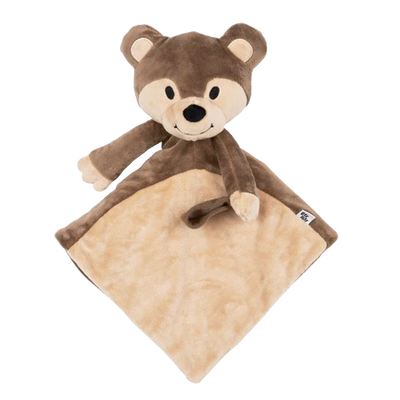
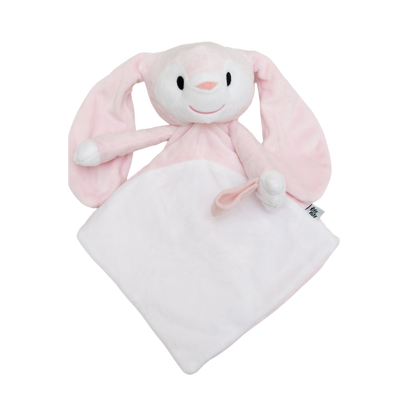
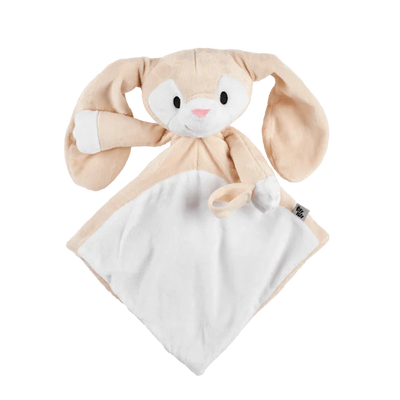
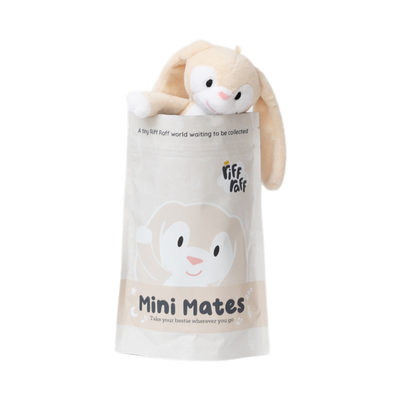
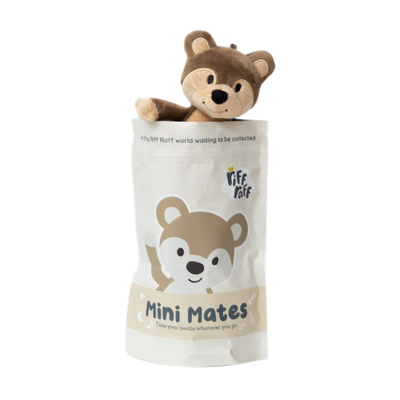
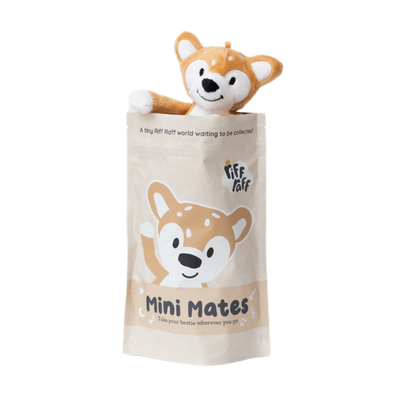
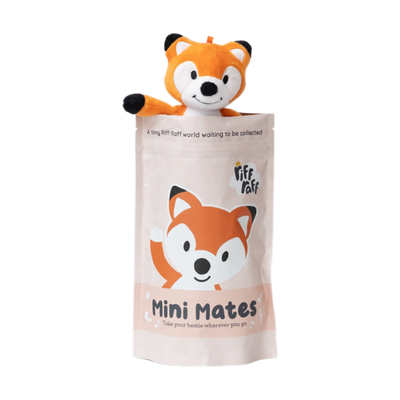
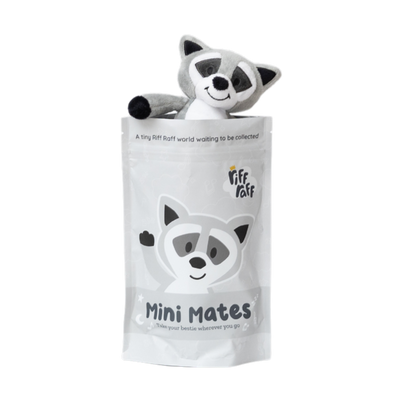
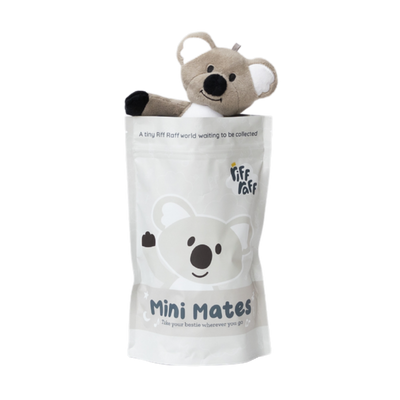
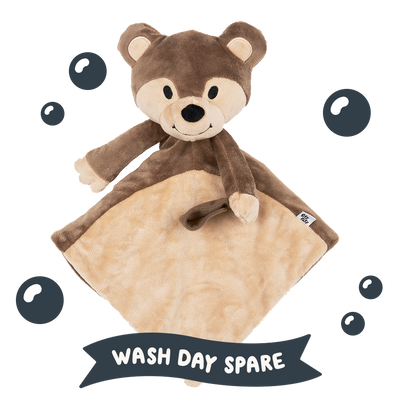
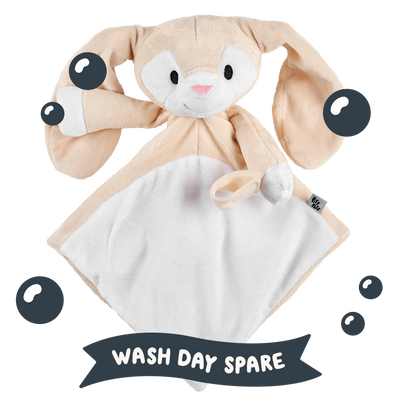
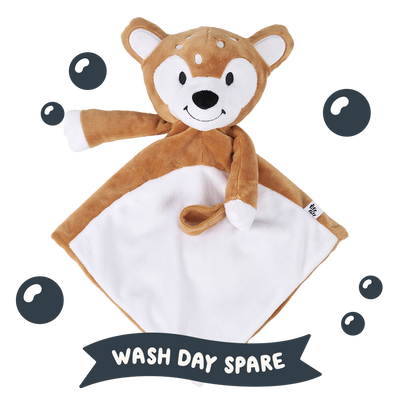
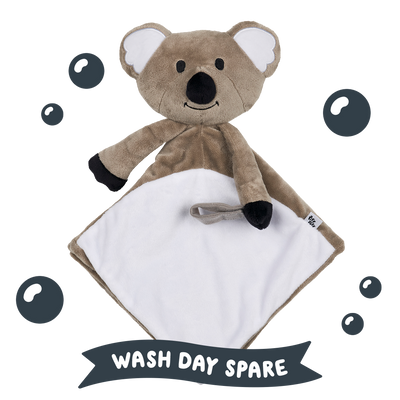
A comforter — a soft sleep toy your baby comes to associate with calm — can become what's sometimes called a bridge object or transitional object. It's the thing that bridges the gap between "Mum is here" and "Mum is in the next room," carrying a piece of that safe, settled feeling into the spaces where you're not physically holding them.
The magic is mostly scent and familiarity. Babies recognise you by smell long before they recognise you by sight. So when a soft toy spends time tucked against you during feeds and cuddles, it slowly takes on your scent and becomes a small, portable echo of you. Over time, it stops being a random toy and starts being their thing — the object that means "you're safe now, it's time to rest."
But — and this matters enormously — how and when you introduce it has to be safe. This is the part the internet usually skips.
A gentle bridge, step by step
There's no rush and no fixed timeline — your baby will set the pace. But if you'd like a shape to follow:
- Pick your cues and use them every single time. The same sound at the start of every sleep. The same comforter tucked in during every supervised feed and cuddle.
- Layer the new cues while you still rock. Don't take anything away yet. Just add the sound and the scent-bonded toy on top of what already works, so they start travelling together in your baby's mind.
- Ease off the effort by degrees. Rock until drowsy rather than fully asleep. Slow the sway. Shorten it by a minute here and there. Let the sound do a little more of the talking each night.
- Let the cot become part of the story. With the sound playing and the (supervised, then age-appropriate) comforter familiar, the cot stops being the place the cuddle ends and starts being the place sleep simply continues.
- Go at your baby's pace, not the internet's. Some nights you'll still rock, and that's completely fine. You're not failing — you're transferring, gradually, on purpose.
You're not breaking the bond. You're widening it.
The fear underneath all of this is usually unspoken: if I'm not the one who settles them, am I taking something away from them?
You're not. You're giving them something — the beginnings of their own ability to feel safe and settle, with a little help from a familiar smell and a familiar sound. The closeness doesn't go anywhere. The cuddles, the feeds, the middle-of-the-night moments that are only yours — those stay. You're simply making sure that when your body needs a break, your baby still has a thread of comfort to hold onto.
You were never meant to be the only way your baby sleeps. You were meant to be the first way — and then to gently, lovingly, show them the rest.
Always follow Red Nose Australia's safe sleep advice, and the guidance that comes with your sleep toy. If you have any concerns about your baby's sleep or breathing, speak with your GP or child health nurse.