




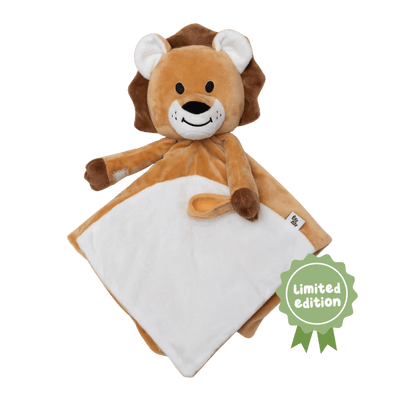
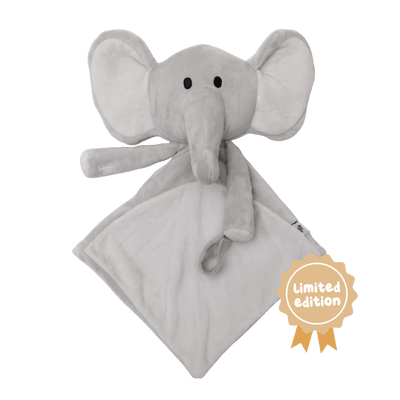
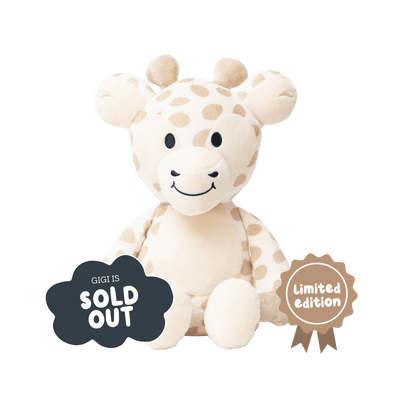

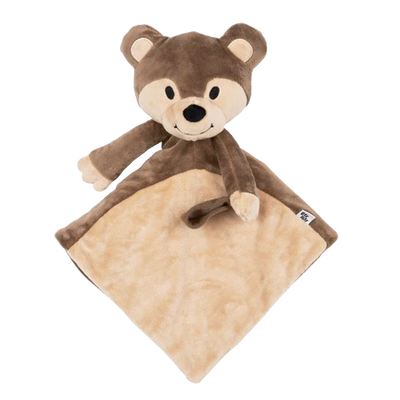
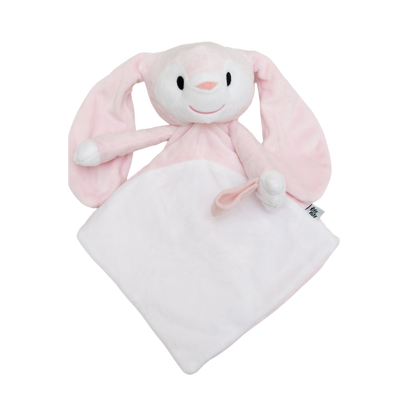
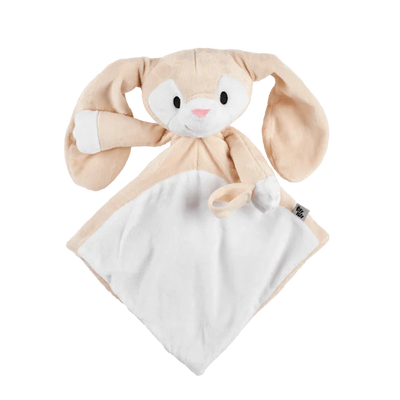
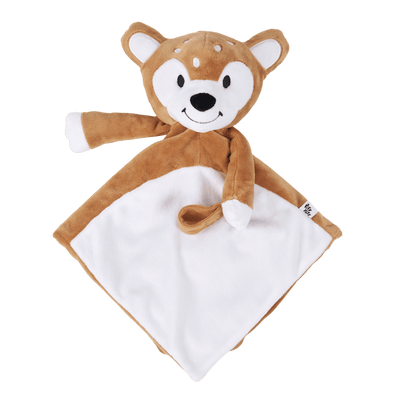
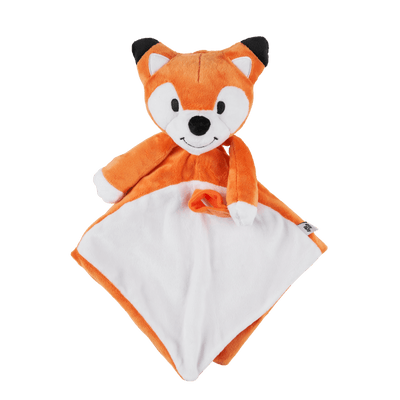

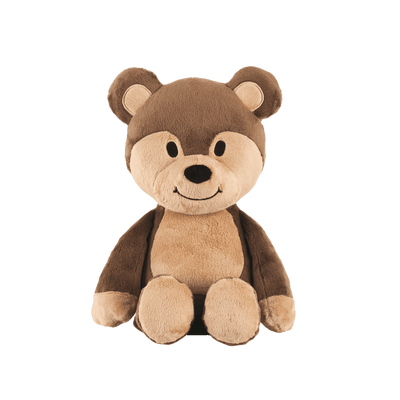
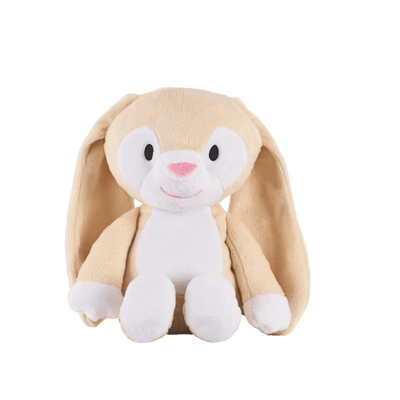
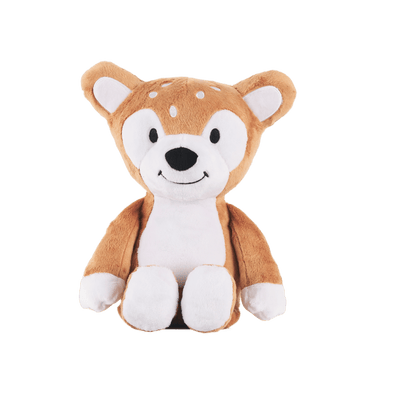
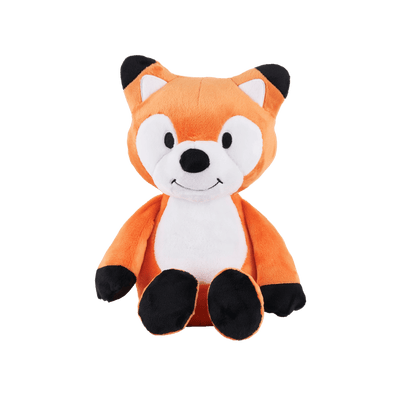
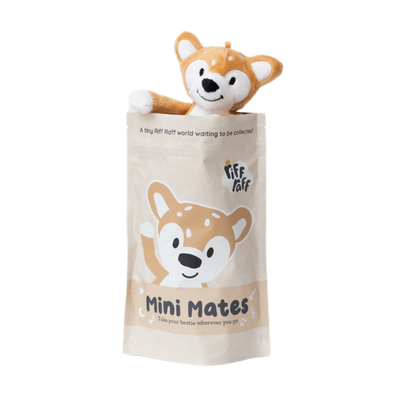
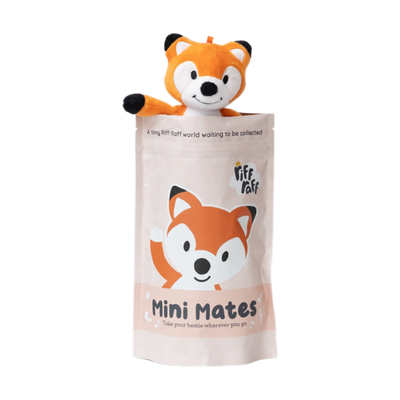
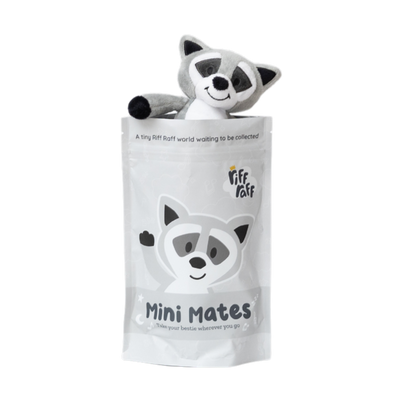
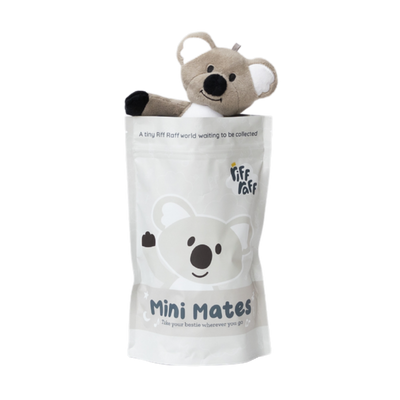
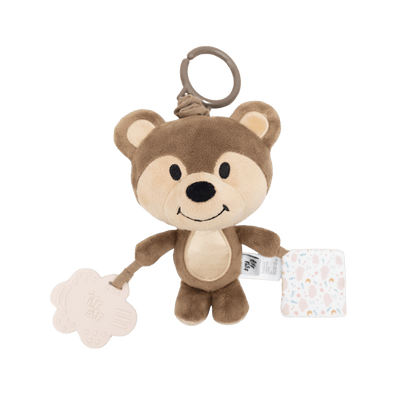
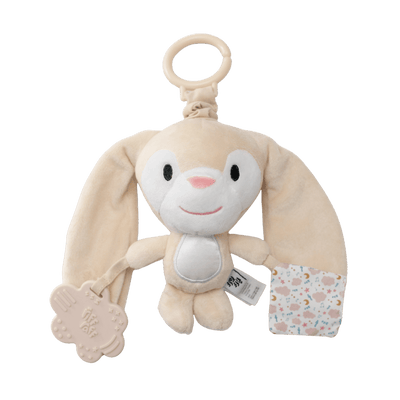
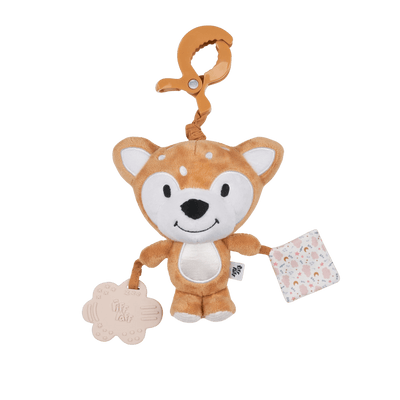


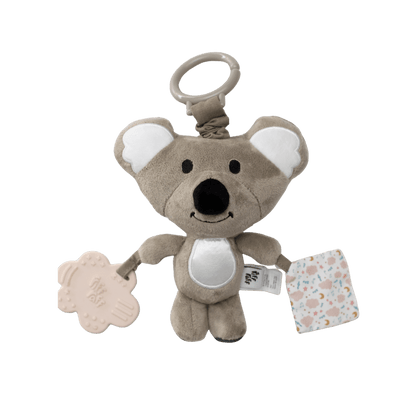
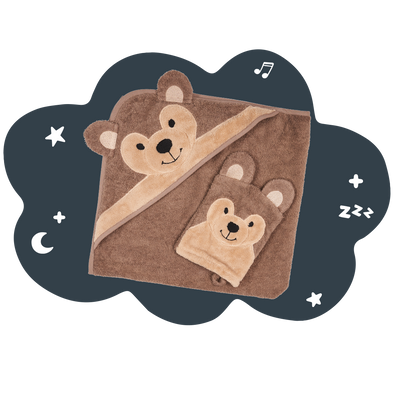
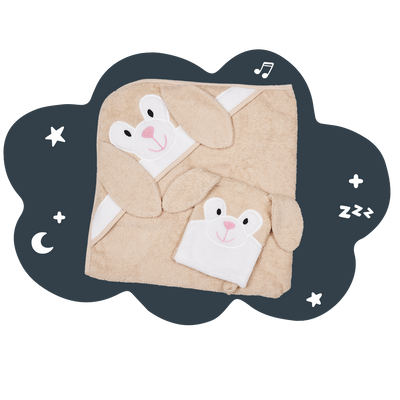




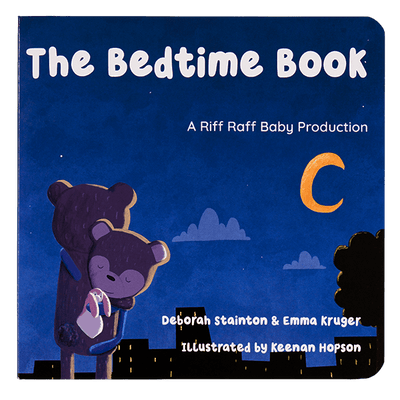
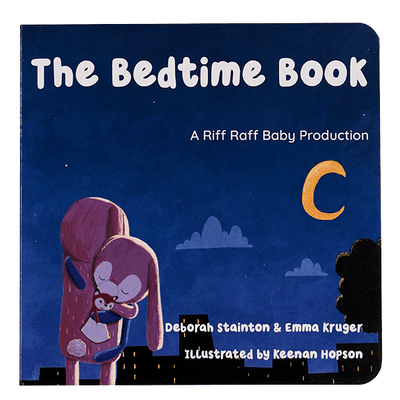
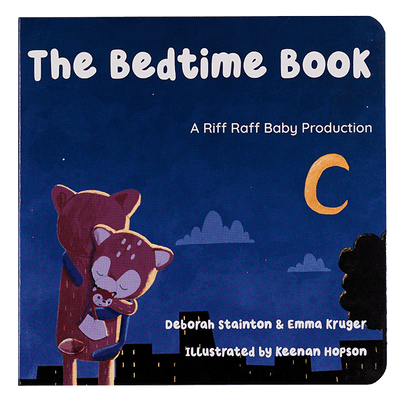
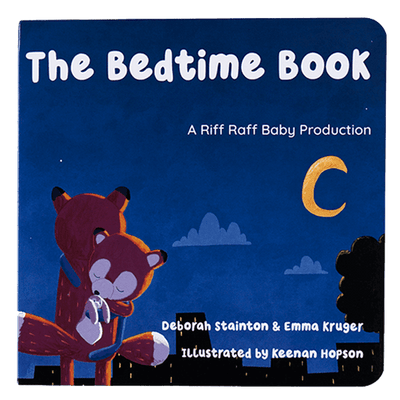
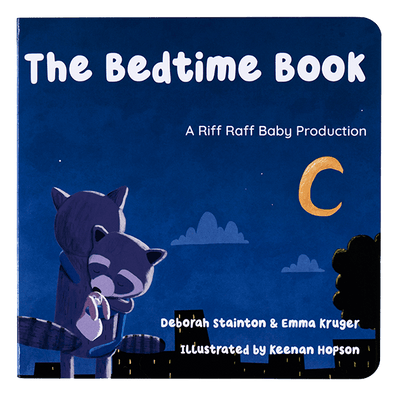
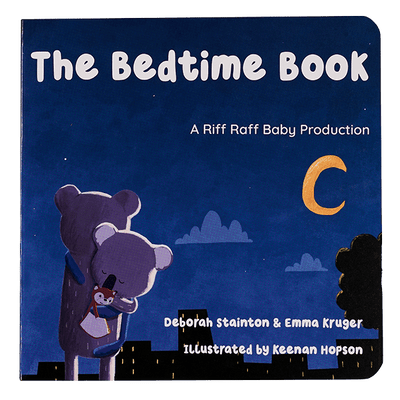
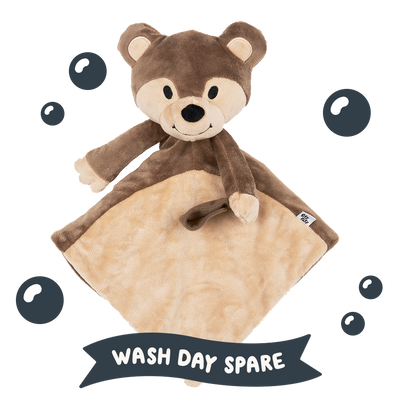
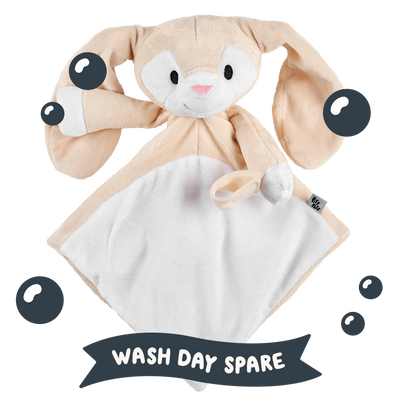
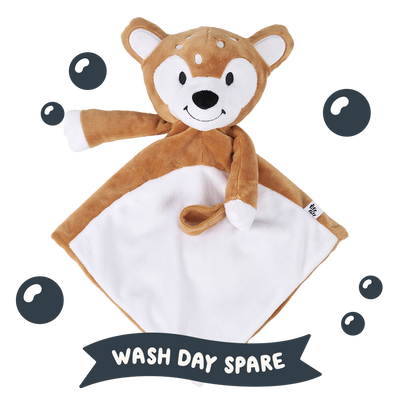
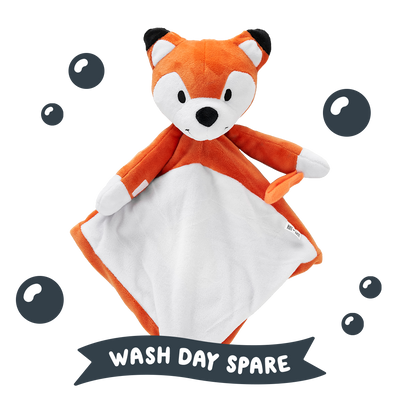
There's something special about a winter night. The world goes quiet, the doona gets heavier, and there's nothing better than being warm and tucked in while it's frosty outside. For grown-ups, anyway. For babies and toddlers, winter has a habit of quietly unravelling even the most reliable bedtime routine - darker evenings, dry heated air, sniffly noses, and the constant juggle of keeping little ones warm without overheating them.
If your once-settled sleeper has started fighting bedtime or waking more often now that the cold has rolled in, you're not imagining it — and you're certainly not doing anything wrong. Winter sleep is its own beast. The good news is that a few small, intentional changes — including the comforting presence of a familiar sleep toy — can help your baby settle faster and stay asleep longer right through the chilly months from June to August.
Here's what's going on, and how to gently set the scene for cosier, calmer winter nights.
Why a winter disrupts baby sleep
Before the fixes, it helps to understand why winter is such a wildcard for little sleepers.
The light changes. Our bodies — babies included — take their cues from natural light to regulate the sleep hormone melatonin. In the depths of a winter, the sun can be setting not long after 5pm and rising well after 7am. That shift can confuse a developing body clock. Some babies get sleepy too early; others wake before the magpies because the household rhythm still says morning even when it's pitch black outside.
The air gets dry. Reverse-cycle aircon and heaters are winter saviours, but they strip moisture from the air. Dry air leads to stuffy noses, scratchy throats and that frustrating cycle of a baby waking themselves up because they can't breathe quite as easily through a blocked nose.
Temperature is harder to get right. This is the big one, especially in homes that swing from icy mornings to overheated evenings. Babies can't regulate their body temperature as efficiently as adults, so they rely on us to keep their sleep space comfortable — generally somewhere between 16 and 20 degrees Celsius. Too cold and they wake; too warm and they become restless and unsettled. Australian winters, where a heated lounge room can sit metres from a freezing bedroom, make this balancing act trickier than any other season.
Coughs, colds and teething pile on. Winter is peak season for the sniffles, and discomfort of any kind makes self-settling harder. Even a mild cold can throw a week of sleep into chaos.
Put it all together and it's no wonder bedtime can feel like a moving target once the cold sets in.
The quiet power of a familiar sleep toy
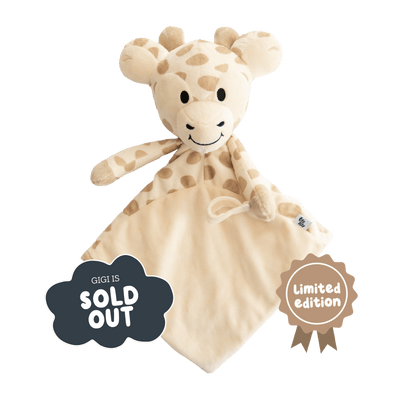
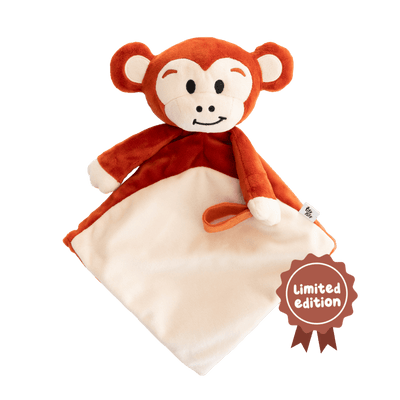
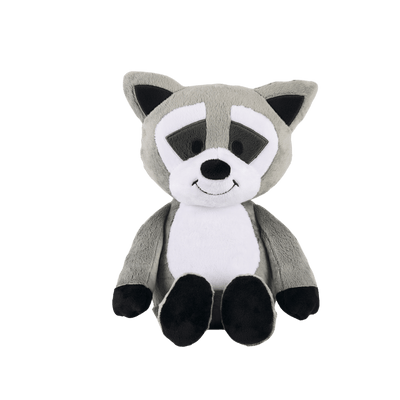
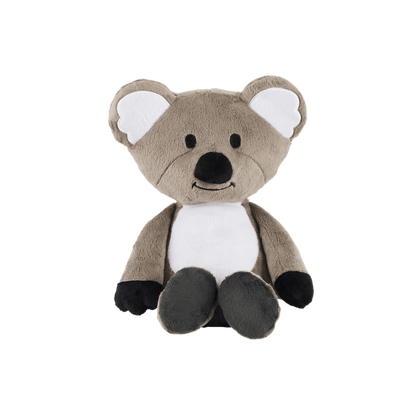
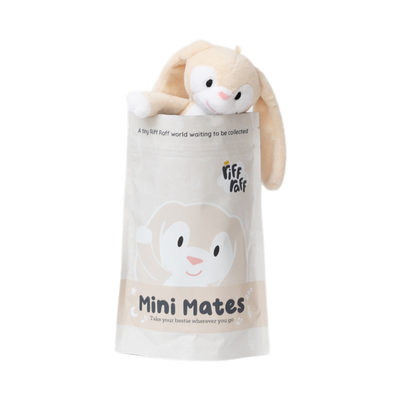
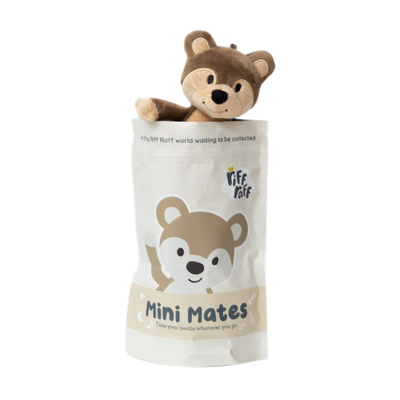
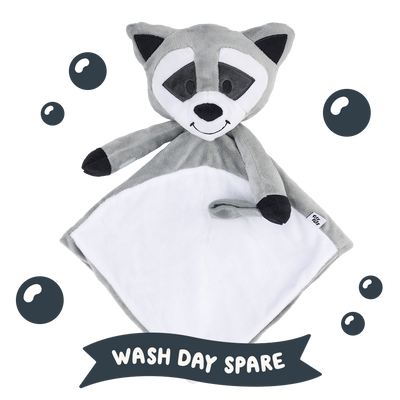
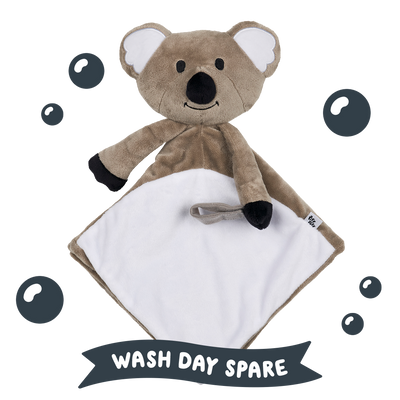
This is where a sleep toy earns its keep. A good comforter isn't just a sweet bedtime accessory — it's a consistency tool. And consistency is exactly what babies crave when everything else around them is shifting.
A sleep toy works as what sleep specialists often call a "sleep association" or "comfort object." It becomes a reliable, repeatable signal that tells your baby's brain: this is what bedtime feels like, you're safe, you can let go now. When the light is different, the air is dry and your little one is feeling a bit off, that familiar friend stays exactly the same. It smells the same, feels the same and shows up at the same moment in the routine, night after night.
That predictability is genuinely powerful. As babies grow, a comforter can become a cornerstone of independent settling — the thing they reach for and snuggle into when they stir between sleep cycles, often drifting back off without needing you to step in. Through a long winter of disrupted nights, that ability to self-settle is worth its weight in gold for the whole household.
A few reasons a sleep toy is especially helpful in the colder months:
- It anchors the routine. When you can't rely on natural light cues, the appearance of the sleep toy becomes a clear "it's sleep time now" signal.
- It offers comfort during illness. When your baby is feeling unwell and clingy, a familiar comforter provides reassurance even when you can't be in the room.
- It supports the transition between sleep cycles. Winter wake-ups are common; a comforter gives your little one something soothing to reach for so a brief stir doesn't become a full wake-up.
- It travels. Heading to the grandparents in the country over the school holidays, or escaping to somewhere warmer up north? The sleep toy brings the familiar with you, smoothing over the disruption of a new room.
Always follow Red Nose safe sleep guidance for your baby's age, and choose comforters designed with safe-sleep principles in mind — lightweight, breathable and free of loose parts. For very young babies, keep the sleep space clear and introduce a comforter only when it's age-appropriate.
Building a winter sleep routine that actually works
A sleep toy does its best work as part of a calm, repeatable wind-down. Think of the routine as the runway and the comforter as the landing signal. Here's a simple framework you can adapt to your little one's age and temperament.
1. Take control of the light
Because winter evenings trick the body clock, manage the light yourself. About an hour before bed, switch off bright overheads and shift to soft, warm lamplight. This nudges melatonin in the right direction and tells the whole house the day is winding down. Blackout curtains are a winter hero too, keeping those early-dark winter mornings dim enough to protect the last precious hours of sleep.
2. Warm the bath, then cool the body
A warm bath is a classic for good reason. The gentle drop in body temperature after a bath helps trigger sleepiness — exactly what you want. In winter, have everything ready beforehand: pyjamas, sleep sack, the room pre-warmed, so your baby isn't getting chilled in the gap between bath and bed.
3. Dress for the temperature, not the season
This is where so many winter wake-ups begin. Resist the urge to over-bundle. Instead of loose blankets, reach for a sleep sack or wearable bag in a TOG rating suited to the room temperature. Check the back of your baby's neck or their chest — not their hands and feet, which are naturally cooler — to judge whether they're too warm or too cold. The aim is cosy and comfortable, never sweaty.
4. Bring in the sleep toy at the same moment every night
Make the comforter part of the final, calming step. After the last feed, story or song, hand it over with the same gentle words each time. That repetition is what turns a soft toy into a genuine sleep cue your baby comes to rely on.
5. Keep the air comfortable
A cool-mist humidifier works wonders against dry winter air, easing stuffy noses and scratchy throats. Keep the room ventilated, avoid pointing heaters or aircon vents directly at the cot, and aim for that steady, comfortable temperature rather than a stuffy, overheated room.
What to do when winter wake-ups happen anyway
Even with the perfect setup, some winter wake-ups are inevitable. When they happen, keep your response calm, quiet and boring — exactly what you want at 2am.
Resist switching on bright lights or starting a "fun" interaction. Keep your voice low and your movements slow. If your baby is old enough for a comforter, gently guide their hand to it — a quiet reminder that the thing that helps them settle is right there. Often, that small cue is enough to help them resettle without fully waking.
If illness is behind the waking, offer comfort generously. Sick babies need extra reassurance, and a few nights of closer contact won't undo good sleep habits. Once they're feeling better, simply ease back into your usual routine and the comforter will help re-anchor it.
A cosier winter is closer than you think
Winter sleep doesn't have to be a season you grit your teeth through. With a little understanding of why the cold months are disruptive — the shifting light, the dry air, the temperature tightrope — and a few intentional adjustments, you can create a sleep space that feels safe, warm and wonderfully predictable.
At the heart of it all is consistency, and few things deliver consistency quite like a beloved sleep toy. That small, familiar friend becomes a constant your baby can hold onto when everything else feels a bit topsy-turvy, gently guiding them toward sleep night after frosty night.
So dim the lights, warm the room, tuck them in, and let their comforter do what it does best. Here's to long, snug winter sleeps for your little one — and a few more uninterrupted hours for you, too.
Frequently asked questions about winter baby sleep
What temperature should my baby's room be in winter? Aim for a comfortable range of around 16 to 20 degrees Celsius. Use a room thermometer rather than guessing, and dress your baby in a sleep sack with a TOG rating suited to that temperature.
Can a sleep toy really help my baby sleep better in winter? A familiar comforter acts as a consistent sleep cue, helping signal that it's time to settle and giving your baby something soothing to reach for between sleep cycles — especially valuable when winter disrupts their usual rhythm. Always follow age-appropriate safe sleep guidance.
Why is my baby waking more often now that it's cold? Several winter factors stack up: earlier darkness affecting the body clock, dry heated air causing stuffy noses, the challenge of keeping the right temperature, and a higher chance of coughs and colds. Small routine tweaks usually help bring sleep back on track.
Should I use blankets to keep my baby warm in winter? For younger babies, a wearable sleep sack is generally safer than loose blankets, in line with Red Nose recommendations. Choose a warmer TOG rating for cold nights and check your baby's chest or neck to make sure they're cosy rather than overheated.